
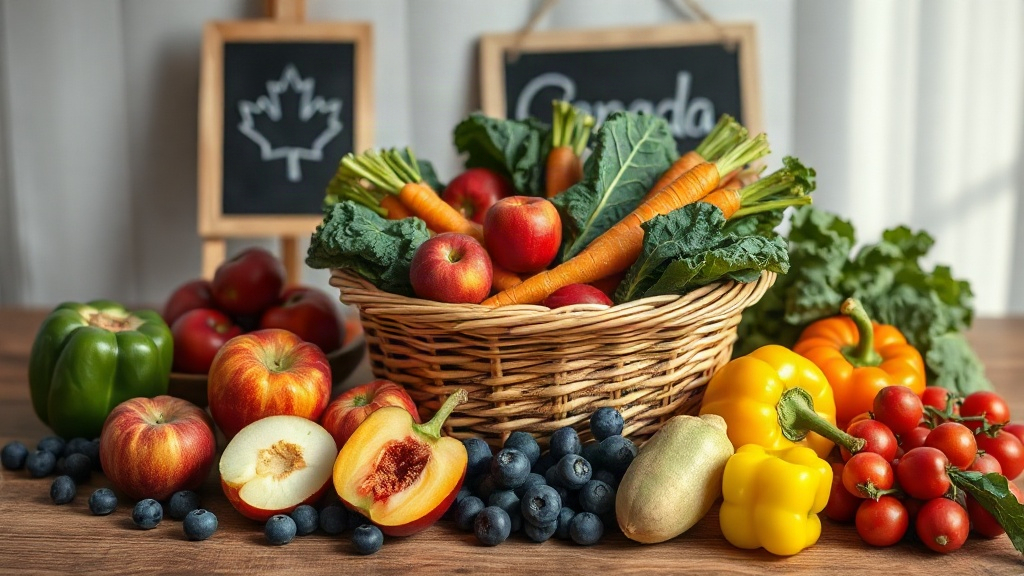
Walking through a Canadian grocery store or farmers market, the vibrant colors and earthy smells of fresh fruits and vegetables can be almost intoxicating. But how do you know you're really getting the best? Whether you're a seasoned home cook or just starting to explore healthier eating, choosing top-notch produce is a skill that pays off in flavor, nutrition, and even your wallet. In this guide, we'll dive deep into the art of selecting Fresh Produce Canada has to offer, from understanding seasons to picking the perfect peach.
Why Fresh Produce Matters More Than You Think
It's easy to grab the first apple you see, but the difference between a mealy, bland fruit and a crisp, juicy one is enormous. Freshness isn't just about taste; it's about nutrition. Vitamins like C and folate degrade over time, so the sooner produce reaches your plate after harvest, the more goodness you get. In Canada, where winters can be long, knowing how to source and select fresh items becomes even more crucial. That's why learning to identify quality fresh fruits and vegetables is a game-changer for your health and your cooking.
Moreover, buying fresh supports local economies. When you choose Canadian-grown produce in season, you're not only getting peak flavor but also reducing the carbon footprint associated with long-distance shipping. It's a win-win for you and the planet.
Understanding Canadian Growing Seasons
Canada's climate is diverse, and so is its produce calendar. To consistently pick the best, you need to know what's in season. Here's a quick breakdown:
- Spring (April–June): Asparagus, rhubarb, radishes, spinach, and greenhouse-grown lettuce.
- Summer (July–September): Berries, stone fruits (peaches, plums, cherries), tomatoes, corn, cucumbers, and peppers.
- Fall (October–November): Apples, pears, squash, pumpkins, carrots, beets, and Brussels sprouts.
- Winter (December–March): Root vegetables, cabbage, onions, and greenhouse crops like tomatoes and cucumbers.
By aligning your shopping with these seasons, you'll naturally get fresher, more flavorful produce. For instance, a July strawberry from Ontario will almost always beat an imported one in January. Keep a seasonal chart handy or ask your local farmer what's just been picked.
How to Select Fresh Fruits Like a Pro
Selecting fruit is a sensory experience. Use your eyes, nose, and hands to judge quality. Here are some specific tips for common Canadian favorites:
Apples and Pears
Look for firm fruits with smooth, unblemished skin. A ripe apple should feel heavy for its size, indicating juiciness. Avoid any with soft spots or wrinkles. For pears, check the neck: if it yields slightly to gentle pressure near the stem, it's ready to eat. Canadian apples like Honeycrisp and Ambrosia are known for their crunch, so don't settle for anything less.
Berries
Berries are delicate, so inspect the container carefully. Look for plump, brightly colored berries with no signs of mold or juice stains at the bottom. Blueberries should have a silvery bloom; strawberries should be red all the way to the stem. Give them a sniff: a sweet, fragrant aroma is a good sign. If you're buying from a farmers market, ask for a taste test if possible.
Stone Fruits (Peaches, Plums, Cherries)
Peaches and nectarines should have a slight give when pressed gently, but not be mushy. The background color should be yellow or cream, not green. Plums should be plump with a slight bloom. Cherries should have firm, glossy skin and green, flexible stems. Avoid any with browning around the stem.
Picking Perfect Vegetables Every Time
Vegetables can be trickier because some are sold by weight and may have hidden flaws. Here's how to ensure you're getting the freshest fresh fruits and vegetables:
Leafy Greens
Lettuce, spinach, and kale should be crisp and vibrant, not wilted or yellowing. Check the cut ends: they should be moist, not dried out or slimy. For head lettuce, give it a gentle squeeze; it should feel firm. Bagged greens should have no excess moisture, which leads to rot.
Root Vegetables
Carrots, beets, and parsnips should be firm and smooth. Avoid any that are soft, shriveled, or have cracks. If the greens are still attached, they should look fresh, not limp. Carrots with a bright orange color and no green tops at the shoulder are ideal.
Tomatoes and Peppers
For tomatoes, smell the stem end: a rich, earthy aroma indicates ripeness. They should be heavy and yield slightly to pressure. Avoid any with bruises or deep cracks. Peppers should be shiny and firm with no soft spots. The stem should be green and fresh-looking.
The Role of Local Farmers Markets and CSAs
One of the best ways to ensure you're getting top-quality Fresh Produce Canada has to offer is to buy directly from growers. Farmers markets and Community Supported Agriculture (CSA) programs connect you with local farms. Here's why they're worth your time:
- Peak freshness: Produce is often picked within 24 hours of sale.
- Variety: You'll find heirloom and unusual varieties not available in supermarkets.
- Transparency: You can ask about farming practices, pesticide use, and harvest dates.
- Supporting local economy: Your money stays in the community.
When shopping at a farmers market, don't be shy. Ask the farmer when the produce was picked and how to store it. They're usually happy to share tips and recipes.
Storing Your Produce for Maximum Freshness
Even the best produce can go bad quickly if stored improperly. Here are some general guidelines to extend the life of your fresh fruits and vegetables:
- Refrigerate: Berries, leafy greens, broccoli, carrots, and most fruits except bananas and tomatoes (unless fully ripe).
- Keep at room temperature: Tomatoes, bananas, potatoes, onions, garlic, and winter squash. Store these in a cool, dark place.
- Separate ethylene producers: Apples, bananas, and tomatoes release ethylene gas, which speeds ripening in other produce. Keep them away from leafy greens and cucumbers.
- Don't wash until ready to use: Moisture promotes mold. Wash just before eating or cooking.
- Use breathable bags: For mushrooms and herbs, use paper bags or wrap in paper towels to absorb excess moisture.
For more detailed storage tips, check out resources from Canadian food safety authorities or your local extension office.
Conclusion: Make Freshness a Habit
Choosing the best Fresh Produce Canada offers doesn't have to be complicated. With a little knowledge about seasons, a few sensory checks, and a willingness to explore local options, you can elevate every meal. Remember, the best produce is not always the prettiest; sometimes a slightly misshapen heirloom tomato beats a perfect-looking import. Trust your senses, ask questions, and enjoy the bounty that Canadian farmers work so hard to grow. Your taste buds and your body will thank you.
Frequently Asked Questions
What are the best months to buy fresh produce in Canada?
The best months are typically July through September, when a wide variety of fruits and vegetables are in peak season across most provinces. However, root vegetables and greenhouse crops are excellent in winter. Check local harvest calendars for specifics.
How can I tell if a watermelon is ripe without cutting it?
Look for a creamy yellow field spot on the underside where it rested on the ground. The watermelon should feel heavy for its size and produce a deep, hollow sound when tapped. A dull thud may indicate overripeness.
Is organic produce always fresher than conventional?
Not necessarily. Freshness depends more on how quickly the produce reaches you and how it's handled. Organic refers to farming practices, not harvest timing. A conventional peach picked yesterday may be fresher than an organic one picked a week ago. Always check for signs of freshness regardless of certification.
What should I do if I buy too much fresh produce?
Freeze, can, or pickle surplus produce to extend its life. Berries freeze well on a tray before transferring to bags. Vegetables like peppers and onions can be chopped and frozen for cooking. Or share with neighbors and friends to avoid waste.
Are farmers market prices higher than grocery stores?
Sometimes, but not always. In season, farmers market prices can be competitive, especially for items like tomatoes and berries. You're also paying for freshness and supporting local agriculture, which many find worth the extra cost. Compare prices and quality to decide what works for your budget.