
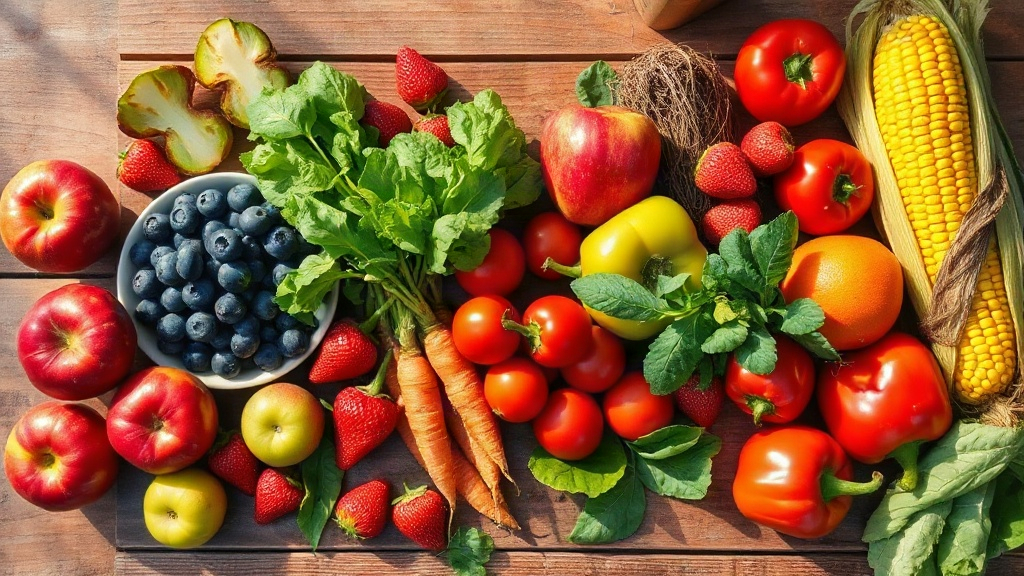
When you think of Fresh Produce Canada, what comes to mind? For many, it’s the vibrant farmers’ markets in summer, the crisp apples from Ontario orchards, or the sweet blueberries from British Columbia. Canada is a vast country with diverse climates, which means we can grow an incredible variety of fresh fruits and vegetables throughout the year. Whether you’re a home cook, a health enthusiast, or simply someone who loves good food, knowing where and how to get the best produce can make all the difference. In this guide, I’ll share practical tips and insights to help you enjoy the finest Canadian-grown bounty.
Why Choose Canadian Fresh Produce?
Supporting local farmers isn’t just a trend; it’s a smart choice for your health, your community, and the environment. Canadian produce is often harvested at peak ripeness, which means better flavor and more nutrients compared to items that travel long distances. When you buy local, you’re also reducing the carbon footprint associated with transportation. Plus, your money stays within the Canadian economy, helping farming families thrive. From the fertile Fraser Valley to the Annapolis Valley in Nova Scotia, each region offers unique specialties that reflect the land and climate. Exploring these local treasures can turn a simple grocery run into a culinary adventure.
Understanding Canada’s Growing Seasons
Canada’s growing season varies significantly by region. In southern British Columbia, the mild climate allows for an early start, while the Prairies have a shorter but intense summer season. Knowing what’s in season can help you plan meals and save money. For example, asparagus and rhubarb signal spring in many parts of the country. Summer brings a cornucopia of tomatoes, peppers, corn, and berries. Autumn is the time for apples, pears, squash, and root vegetables. Even in winter, Canadian greenhouses produce cucumbers, tomatoes, and leafy greens, so you can still enjoy fresh fruits and vegetables year-round. Check local harvest calendars online or ask vendors at farmers’ markets for the freshest picks.
Spring: A Fresh Start
After a long winter, spring produce is a welcome sight. Look for tender greens like spinach, lettuce, and arugula, as well as early radishes and green onions. In many areas, you’ll find fiddleheads, a unique Canadian delicacy that’s only available for a few weeks. Asparagus is another spring favorite; try roasting it with a little olive oil and lemon for a simple side dish. Rhubarb, with its tart flavor, pairs beautifully with strawberries in pies and jams. Spring is also a great time to visit local farms for pick-your-own experiences, especially for early berries in some regions.
Summer: A Bounty of Flavor
Summer is the peak season for most Canadian produce. Farmers’ markets are bursting with color and aroma. Tomatoes, cucumbers, zucchini, and bell peppers are abundant. Sweet corn, picked fresh in the morning, is a true taste of summer. Berries like strawberries, raspberries, blueberries, and blackberries are at their juiciest. Don’t forget stone fruits such as peaches, plums, and cherries, which thrive in the Okanagan Valley and Niagara region. If you have space, consider growing a few pots of herbs or cherry tomatoes on your balcony. There’s nothing quite like a salad made with ingredients you picked yourself.
Fall: Harvest Celebrations
As the air turns crisp, fall brings a rich harvest of root vegetables and hearty greens. Carrots, beets, parsnips, and potatoes are perfect for roasting or making soups. Winter squash varieties like butternut, acorn, and spaghetti squash store well and add sweetness to dishes. Apples are the star of the season; visit an orchard for a fun family outing and stock up on varieties that keep well, such as Honeycrisp or Ambrosia. Cranberries, a true Canadian crop, are harvested in fall and can be used in sauces, baked goods, or dried as snacks. Don’t overlook cabbage and Brussels sprouts, which become sweeter after a light frost.
Winter: Greenhouse and Storage Crops
Winter doesn’t mean giving up on fresh produce. Canadian greenhouse growers supply cucumbers, tomatoes, peppers, and lettuce all winter long. Root cellars and cold storage keep onions, carrots, beets, and cabbage available. Apples and pears from controlled-atmosphere storage retain their crispness for months. You can also find hardy greens like kale and collards that survive in milder regions. To add variety, explore frozen or canned Canadian produce, which is processed at peak ripeness. Winter is also a great time to try fermenting vegetables like cabbage into sauerkraut or kimchi, a traditional preservation method that adds probiotics to your diet.
Where to Find the Best Fresh Produce in Canada
Farmers’ markets are the heart of local food culture. Almost every city and town has at least one, often running from late spring to early fall. Some larger cities have year-round markets. These markets allow you to meet the growers, ask questions, and sample before you buy. Community-supported agriculture (CSA) programs are another excellent option. You pay a farmer upfront for a share of the harvest, then receive a weekly box of seasonal produce. This model provides farmers with financial stability and gives you a surprise selection of fresh fruits and vegetables each week. Many farms also offer online ordering with pickup or delivery, making it convenient to access local food. Don’t forget to check out roadside stands in rural areas; they often have the freshest picks at great prices.
Tips for Choosing and Storing Fresh Produce
Selecting the best produce is an art. For most fruits, a pleasant aroma and slight give indicate ripeness. Vegetables should look vibrant and crisp, with no wilting or blemishes. Once you get your produce home, proper storage extends its life. Leafy greens do well in the crisper drawer with a damp paper towel. Tomatoes should never go in the fridge; keep them on the counter to preserve flavor. Root vegetables like carrots and beets can be stored in a cool, dark place or in the fridge. Berries are delicate; wash them just before eating to prevent mold. If you can’t use everything in time, consider freezing, canning, or dehydrating to enjoy the taste of summer all year long.
Supporting Canadian Farmers: A Win-Win
Every time you choose Canadian produce, you’re making a positive impact. Farmers work hard to bring food to our tables, often facing challenging weather and market conditions. By buying directly from them or choosing Canadian-grown items at the grocery store, you help ensure that farming remains viable for future generations. Look for labels that say “Product of Canada” or “Grown in Canada.” You can also ask your grocer to stock more local items. Joining a food co-op or advocating for local food in schools and institutions are other ways to strengthen the local food system. Remember, small actions add up to big change.
Delicious Ways to Enjoy Canadian Produce
Eating seasonal produce doesn’t have to be complicated. Simple preparations let the natural flavors shine. Try a classic tomato sandwich with fresh basil and mayo on good bread. Roast a medley of root vegetables with rosemary and garlic. Make a big batch of blueberry pancakes for a weekend breakfast. Grill peaches and serve with yogurt and honey for a light dessert. If you’re feeling adventurous, experiment with lesser-known Canadian crops like saskatoon berries, haskap, or sea buckthorn. These nutrient-dense fruits are gaining popularity and can be found at specialty markets or farms. Cooking with seasonal produce connects you to the rhythm of the land and makes every meal a celebration.
Frequently Asked Questions
What is the best way to find local farmers’ markets in Canada?
The easiest way is to search online for “farmers market near me” or check websites like Farmers’ Markets Canada. Many provinces have directories. You can also ask at your local community center or health food store. Social media pages of local farms often announce their market schedules.
How can I store fresh berries to make them last longer?
Berries are delicate. Do not wash them until you’re ready to eat. Store them in a single layer in a shallow container lined with paper towels, and keep them in the fridge. For longer storage, freeze them on a baking sheet, then transfer to a freezer bag. This prevents clumping and preserves quality.
Are greenhouse-grown vegetables as nutritious as field-grown ones?
Yes, greenhouse-grown vegetables can be just as nutritious, if not more so, because growing conditions are carefully controlled. They are often harvested at peak ripeness and delivered quickly, which helps retain vitamins. Canadian greenhouse growers use integrated pest management to minimize chemical use.
What are some traditional Canadian fruits and vegetables I should try?
Beyond the usual apples and potatoes, try saskatoon berries, which taste like a cross between blueberries and almonds. Haskap berries are another superfood with a unique sweet-tart flavor. For vegetables, look for fiddleheads in spring, or try sea asparagus if you’re near the coast. These native foods offer a true taste of Canada’s wild larder.
Can I grow my own fresh produce in Canada’s short growing season?
Absolutely! Many vegetables thrive in Canadian gardens. Choose fast-maturing varieties like lettuce, radishes, and bush beans. Use season extenders such as row covers, cold frames, or a small greenhouse. Even a few pots on a sunny balcony can yield a surprising amount of tomatoes, herbs, and peppers. Start small and learn as you go.