
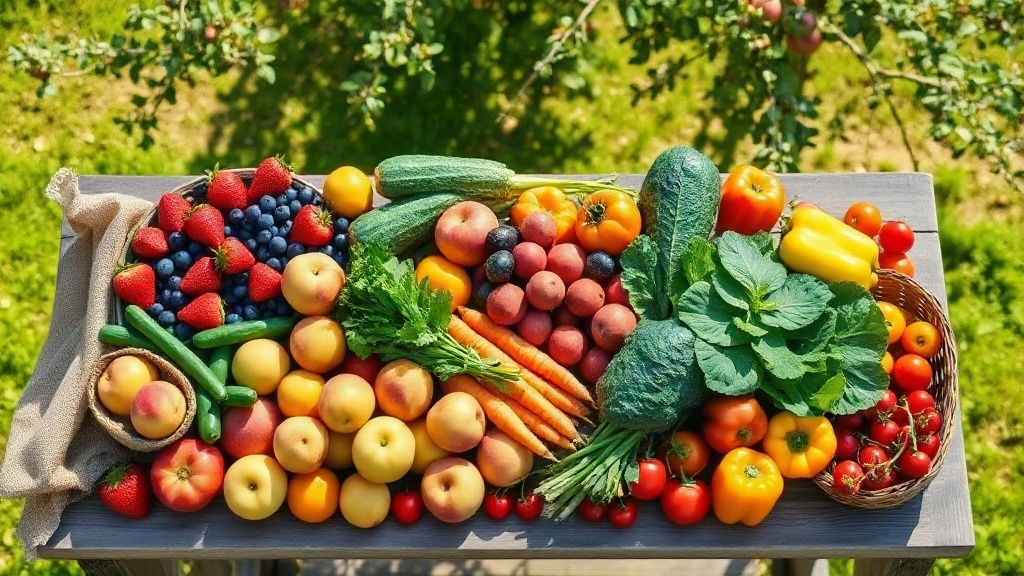
Have you ever bitten into a peach so juicy it dripped down your chin, or snapped a green bean that crackled like a fresh autumn leaf? That is the magic of Fresh Produce Canada at its peak. Whether you are a home cook, a health enthusiast, or simply someone who loves a good crunch, understanding how to source and select the best fresh fruits and vegetables can transform your meals and your wellbeing. In this guide, I will walk you through the vibrant world of Canadian produce, sharing practical tips and local insights that come from years of exploring farms, markets, and kitchen counters across the country.
Why Fresh Produce Canada Stands Out
Canada may be known for its long winters, but its growing season is nothing short of spectacular. From the fertile Fraser Valley in British Columbia to the apple orchards of Ontario and the berry farms of Quebec, the diversity of fresh fruits and vegetables is remarkable. What makes Canadian produce special is not just the variety but the commitment of local growers to sustainable and regenerative practices. Many small farms prioritize soil health, which directly impacts flavor and nutrient density. When you buy from a local source, you are often getting produce that was picked at peak ripeness, sometimes just hours before it reaches your hands.
I still remember visiting a family-run farm in the Annapolis Valley, Nova Scotia. The farmer handed me a Honeycrisp apple straight from the tree. It was crisp, sweet-tart, and unlike anything I had bought from a supermarket bin. That experience taught me a simple truth: the closer you are to the source, the better the taste and the greater the nutritional value. That is the essence of Fresh Produce Canada.
Where to Find the Best Fresh Fruits and Vegetables
Farmers' Markets: The Heartbeat of Local Food
Farmers' markets are arguably the best way to access fresh fruits and vegetables while supporting local agriculture. Almost every Canadian city and town has at least one seasonal market. In larger centers like Toronto, Vancouver, and Montreal, you can find year-round markets with greenhouse-grown produce and imported tropical fruits alongside local staples. When you shop at a farmers' market, take time to talk to the vendors. Ask about their growing methods, when the produce was harvested, and how they recommend preparing it. These conversations not only build community but also give you insider knowledge that no grocery store label can provide.
Community Supported Agriculture (CSA) Programs
If you want a steady supply of seasonal fresh fruits and vegetables, consider joining a CSA program. With a CSA, you pay a farmer upfront for a share of the harvest, then receive a box of produce weekly or biweekly throughout the growing season. This model benefits both parties: farmers get financial security, and you get ultra-fresh, often organic produce that reflects the true rhythm of the seasons. Many CSAs also offer add-ons like eggs, honey, or herbs. I joined a CSA two summers ago, and it pushed me to cook with vegetables I had never tried, like kohlrabi and garlic scapes. It was a culinary adventure that deepened my appreciation for Canadian agriculture.
U-Pick Farms and Farm Stands
For a hands-on experience, visit a U-pick farm. Strawberries in June, blueberries in July, apples in September, and pumpkins in October are classic Canadian U-pick crops. This is a fantastic activity for families and anyone who wants to connect with where their food comes from. The produce you pick yourself is often the freshest you will ever taste, and it is usually more affordable than retail. Many farms also operate roadside stands with pre-picked fresh fruits and vegetables, which are perfect for a quick stop on a road trip. Look for signs along rural highways in Ontario's Niagara region or British Columbia's Okanagan Valley.
Understanding Seasonality for Peak Flavor
Eating seasonally is one of the best ways to enjoy Fresh Produce Canada at its finest. Each season brings a unique palette of flavors and textures. In spring, look for asparagus, rhubarb, and tender greens. Summer explodes with berries, stone fruits, tomatoes, corn, and zucchini. Autumn offers hearty root vegetables, squash, apples, and pears. Winter is the time for storage crops like potatoes, carrots, onions, and cabbage, as well as greenhouse-grown leafy greens and cucumbers.
Here is a quick seasonal cheat sheet to guide your shopping:
- Spring (April - June): Asparagus, fiddleheads, radishes, spinach, strawberries (late spring).
- Summer (July - September): Blueberries, raspberries, peaches, nectarines, tomatoes, sweet corn, peppers, cucumbers, green beans.
- Autumn (September - November): Apples, pears, grapes, squash, pumpkins, Brussels sprouts, beets, carrots, parsnips.
- Winter (December - March): Potatoes, onions, garlic, cabbage, rutabaga, greenhouse lettuce, herbs, and microgreens.
By aligning your meals with these seasons, you will not only enjoy better flavor but also save money, as in-season produce is usually abundant and less expensive.
How to Select and Store Fresh Produce Like a Pro
Even the best fresh fruits and vegetables can lose their appeal if not handled properly. Here are some tips I have learned from farmers and chefs:
- Look for vibrant color and firm texture. Avoid produce with bruises, soft spots, or wilting leaves. For leafy greens, crispness is key.
- Smell the produce. A ripe melon or peach should have a sweet, fragrant aroma. If it smells like nothing, it was probably picked too early.
- Check the stem end. For tomatoes and peppers, a fresh green stem indicates recent harvest. For melons, a slight give at the blossom end means ripeness.
- Store properly. Most fruits emit ethylene gas, which speeds ripening and can spoil nearby vegetables. Keep apples, bananas, and tomatoes separate from leafy greens and broccoli. Store potatoes and onions in a cool, dark, dry place, but not together (onions can make potatoes sprout). Refrigerate berries unwashed until ready to eat to prevent mold.
- Use within a few days. Fresh produce is perishable. Plan your meals around what you buy, and if you have excess, freeze or preserve it. Blanching and freezing works well for green beans, corn, and berries.
The Health and Environmental Benefits of Local Produce
Choosing Fresh Produce Canada from local sources is not just about taste; it is also a win for your health and the planet. Locally grown fresh fruits and vegetables often retain more nutrients because they spend less time in transit and storage. Vitamins like C and folate degrade over time, so the shorter the journey from farm to table, the better. Additionally, local food systems reduce greenhouse gas emissions associated with long-distance transportation. Small farms also tend to use fewer synthetic pesticides and more diverse crop rotations, which support biodiversity and soil health.
From a community perspective, buying local keeps money in the local economy and preserves farmland. When you buy directly from a farmer, you are investing in the future of Canadian agriculture and ensuring that these beautiful landscapes remain productive for generations to come.
Overcoming Common Challenges
One common concern is that fresh local produce can be more expensive than imported options. While it is true that some items may cost more at a farmers' market than at a big-box store, the value is often higher in terms of flavor, nutrition, and shelf life. To manage costs, buy in bulk when items are in season and preserve them. You can also look for "seconds" or slightly imperfect produce, which is often sold at a discount. Another challenge is availability during winter. However, many Canadian farms now use high-tech greenhouses to grow tomatoes, cucumbers, peppers, and leafy greens year-round. These greenhouse-grown vegetables can be just as fresh and flavorful as field-grown ones.
Final Thoughts: Embrace the Bounty of Fresh Produce Canada
Exploring the world of Fresh Produce Canada is a delicious and rewarding journey. Whether you are strolling through a bustling farmers' market, picking berries with your kids, or simply choosing a locally grown apple at the grocery store, every choice matters. The next time you bite into a crisp carrot or slice into a sun-ripened tomato, take a moment to appreciate the farmers, the soil, and the seasons that made it possible. Your taste buds, your body, and your community will thank you.
Frequently Asked Questions
What is the best way to find local fresh produce near me in Canada?
The easiest way is to search online for farmers' markets or farm stands in your area. Websites like Farmers' Markets Canada or provincial agriculture sites often have directories. You can also ask at your local health food store or community center. Social media groups focused on local food are another great resource.
How can I tell if fruits and vegetables are truly fresh?
Look for bright, vibrant colors and a firm, plump texture. Leaves should be crisp, not wilted. The produce should feel heavy for its size, which indicates good water content. A fresh, earthy or sweet smell is also a good sign. If you are buying from a farmer, do not hesitate to ask when it was picked.
Are greenhouse-grown vegetables as nutritious as field-grown ones?
Yes, in many cases they can be equally nutritious or even more so, because they are often harvested at peak ripeness and reach consumers quickly. Greenhouse growing allows for controlled conditions that can enhance certain nutrients. The key is that the produce is fresh and handled properly after harvest.
What are some easy ways to preserve fresh produce for winter?
Freezing is one of the simplest methods. Blanch vegetables like green beans, broccoli, and carrots briefly in boiling water, then plunge into ice water before freezing. Berries can be frozen whole on a tray and then transferred to bags. Canning and pickling are also popular for tomatoes, cucumbers, and beets. Dehydrating is great for herbs and fruits like apples.
Why does local produce sometimes cost more than imported produce?
Local small-scale farmers often have higher labor and production costs per unit than large industrial farms. They may not benefit from the same economies of scale or subsidies. However, the higher price reflects better quality, freshness, and sustainable practices. Buying in season and in bulk can help reduce costs, and many farmers offer discounts for volume purchases.