
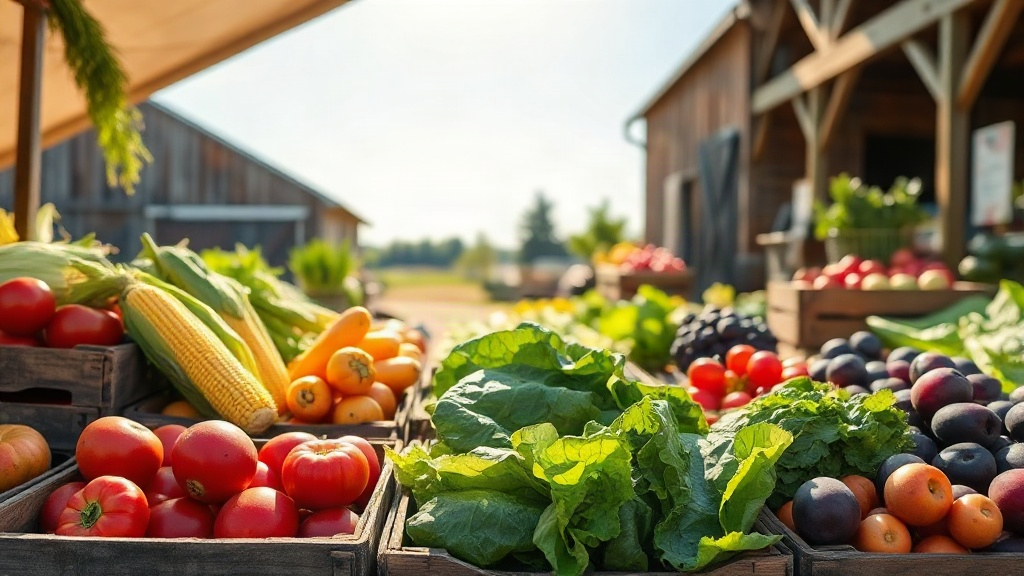
When it comes to eating well, few things are as satisfying as biting into a crisp apple or tossing a salad made with just-picked greens. In Canada, the landscape for fresh produce Canada is incredibly diverse, shaped by distinct growing regions, changing seasons, and a strong network of local farms. Whether you shop at a farmers' market, subscribe to a CSA box, or browse the produce aisle at your grocery store, understanding what's in season and how to choose the best items can transform your meals. This guide dives into the heart of Canadian produce, offering practical advice for enjoying fresh fruits and vegetables all year round.
Why Seasonal Matters for Canadian Produce
Eating seasonally means enjoying fruits and vegetables at their natural peak of ripeness. In Canada, this can be a challenge because our winters are long and our summers are fleeting, but the rewards are worth it. Seasonal produce is often more flavorful, more nutritious, and more affordable because it doesn't have to travel as far. When you buy a tomato in August from a local farm, it tastes completely different from one shipped in January from thousands of kilometres away. That's because fruits and vegetables begin to lose nutrients and flavor as soon as they're harvested. The shorter the time between field and table, the better the quality.
Moreover, buying seasonal fresh fruits and vegetables supports Canadian farmers and reduces your carbon footprint. It connects you to the rhythm of the land. In spring, you might look forward to asparagus and rhubarb; in summer, berries and corn; in autumn, squash and apples. Each season brings its own treasures, and learning to cook with what's available is both a culinary adventure and an act of sustainability.
Understanding Canada's Growing Regions
Canada is vast, and its agricultural regions vary dramatically. The majority of fruit and vegetable production happens in southern Ontario, Quebec, British Columbia's Okanagan Valley, and parts of the Maritimes. Each region has its own specialties.
- Ontario is famous for its tender fruit, including peaches, pears, and plums from the Niagara Peninsula, as well as greenhouse vegetables like tomatoes and peppers.
- Quebec excels in root vegetables, apples, and a wide array of berries, especially strawberries and blueberries.
- British Columbia is known for its tree fruits like cherries and apricots, plus an abundance of grapes and berries.
- The Prairies may be grain country, but they also produce excellent potatoes, carrots, and other cold-hardy crops.
- The Maritimes offer unique varieties of apples, wild blueberries, and hearty greens.
Knowing where your produce comes from can help you make informed choices. For instance, if you live in Ontario and see local asparagus in May, you know it's truly fresh and in season. If you see asparagus in December, it's likely imported, and the quality may not be as high.
How to Select the Best Fresh Produce
Selecting top-quality fresh fruits and vegetables is a skill that improves with practice. Here are some tips for common items.
Leafy Greens
Look for vibrant color and crisp leaves. Avoid bunches with yellowing or wilting. For lettuce, the head should feel heavy for its size, indicating good moisture content. Store greens in the crisper drawer, wrapped in a slightly damp paper towel to maintain humidity without causing rot.
Berries
Berries are delicate, so inspect the container from all angles. Check for mold, especially at the bottom. The berries should be plump and brightly colored. Avoid washing them until just before eating, as moisture speeds up spoilage. Keep them in the fridge and consume within a few days.
Root Vegetables
Carrots, beets, and parsnips should be firm and smooth, without soft spots or excessive cracks. If the greens are still attached, they should look fresh, not slimy. Root vegetables store well in a cool, dark place, but the fridge works too.
Tomatoes
For the best flavor, buy tomatoes that are vine-ripened and grown locally in season. They should yield slightly to gentle pressure and smell fragrant at the stem end. Never refrigerate tomatoes unless they're overripe; cold temperatures destroy their flavor and texture.
When shopping for any produce, use your senses. Smell the fruit, feel its weight, and look for natural imperfections that indicate real, unprocessed food. A perfectly uniform, waxed apple might look appealing, but a slightly misshapen one from a local orchard often tastes better.
Where to Find Great Fresh Produce in Canada
There are several avenues for sourcing excellent fresh produce Canada has to offer. Each has its pros and cons.
Farmers' Markets
Farmers' markets are the gold standard for freshness and community connection. You can talk directly with growers, ask about their farming practices, and often sample before you buy. Many markets operate weekly from spring through fall, and some continue indoors during winter. Prices can be slightly higher than supermarkets, but the quality and experience are usually worth it.
Community Supported Agriculture (CSA)
With a CSA, you pay a farmer upfront for a share of the harvest, then receive a box of seasonal produce each week. This model gives you a direct relationship with a local farm and forces you to try new vegetables. It's also a great way to support small-scale agriculture. The downside is that you have less control over what you get, and you need to be flexible in your cooking.
Grocery Stores and Supermarkets
Most Canadians still buy the bulk of their produce at grocery stores. To get the best quality, look for signs indicating local or Canadian origin. Many chains now highlight regional products. Check the country of origin labels and choose Canadian when possible, especially for items in season. Also, don't be afraid to ask the produce manager when new shipments arrive, so you can shop on those days.
Online Delivery and Subscription Boxes
In recent years, several services have emerged that deliver fresh fruits and vegetables directly to your door. These can be convenient, but quality varies. Read reviews, and if possible, choose a service that sources from local farms and offers flexible subscription options.
Storing Fresh Produce to Reduce Waste
Canadians waste a staggering amount of food each year, and produce is often the first to go. Proper storage can extend the life of your fruits and vegetables significantly.
First, understand which items should be refrigerated and which should stay at room temperature. Tomatoes, bananas, avocados, potatoes, onions, and garlic generally do better outside the fridge (though potatoes and onions should be kept apart). Most other produce belongs in the crisper drawer. Use the humidity settings: high humidity for leafy greens and herbs, low humidity for fruits that emit ethylene gas, like apples and pears, which can cause other produce to ripen too quickly.
Plan your meals around what needs to be used first. If you have a bunch of spinach that's starting to wilt, throw it into a smoothie, soup, or stir-fry. If you have too many apples, make applesauce or a crisp. Freezing is also a great option for many fruits and vegetables; just blanch vegetables first to preserve their color and texture.
Cooking with Canadian Seasonal Produce
One of the joys of eating seasonally is discovering new recipes. In the spring, try a simple pasta with asparagus, peas, and lemon. In summer, nothing beats a tomato and basil salad with a drizzle of good olive oil. Autumn calls for roasted root vegetables with rosemary and a maple glaze. Winter is the time for hearty soups and stews made with stored produce like cabbage, carrots, and onions.
Don't be afraid to experiment. If you get a vegetable you've never tried in your CSA box, search online for recipes or ask the farmer for suggestions. You might discover a new favorite. And remember, the best cooking starts with the best ingredients, so choosing high-quality fresh fruits and vegetables is the first step to a delicious meal.
Supporting Local Farmers and the Environment
When you buy local fresh produce Canada farmers grow, you're not just getting better food; you're investing in your community. Local farms preserve green space, create jobs, and often use more sustainable practices than large industrial operations. They also grow varieties chosen for flavor rather than shelf life or shipping durability, which means more diversity on your plate.
From an environmental standpoint, eating local reduces the distance food travels, cutting down on greenhouse gas emissions from transportation. It also encourages seasonal eating, which aligns our diets with the natural cycles of the earth. While it's not always possible to eat 100% local, every small choice adds up. Even swapping one imported item for a local alternative each week makes a difference.
Common Challenges and How to Overcome Them
Eating fresh produce in Canada does come with challenges, particularly in winter. The selection of local fresh fruits and vegetables shrinks dramatically, and many people rely on imports. However, there are ways to keep your diet vibrant even in the coldest months.
First, embrace storage crops. Apples, pears, potatoes, carrots, beets, cabbage, and onions can be stored for months and are available from local sources well into winter. Second, consider frozen and canned options. Frozen fruits and vegetables are often picked at peak ripeness and flash-frozen, locking in nutrients. They can be just as healthy as fresh, and they're convenient. Third, grow your own sprouts or microgreens indoors for a fresh green boost. Finally, explore greenhouse-grown produce from Canadian operations, which has become increasingly popular and high-quality.
The Future of Fresh Produce in Canada
The Canadian produce industry is evolving. Climate change is shifting growing zones, opening up new possibilities but also creating challenges. Technology, including vertical farming and advanced greenhouses, is allowing for year-round production of certain crops. Consumers are becoming more conscious of where their food comes from and are demanding transparency and sustainability. All of these trends point toward a future where fresh produce Canada offers even more variety and quality, while supporting local economies.
As a consumer, you have the power to shape this future. By choosing local, seasonal, and sustainably grown fresh fruits and vegetables, you vote with your dollars for a food system that values flavor, nutrition, and the environment. It's a delicious responsibility.
Frequently Asked Questions
What fruits and vegetables are in season in Canada right now?
It depends on the time of year and your region. In general, spring brings asparagus, rhubarb, and leafy greens. Summer offers berries, stone fruits, tomatoes, and corn. Autumn is the time for apples, pears, squash, and root vegetables. Winter features stored crops like onions, potatoes, and cabbage. Check with local farmers' markets or agricultural extension websites for a precise seasonal calendar for your area.
How can I tell if produce is truly local in a grocery store?
Look for signage that indicates the product is from Canada or your specific province. Packages often have a "Product of Canada" label. If you're unsure, ask the produce manager. They can tell you which items are sourced locally and when they arrive. Also, check the PLU sticker on the fruit or vegetable; some codes indicate country of origin.
Is frozen produce as healthy as fresh produce?
Yes, in many cases frozen produce is just as nutritious as fresh, and sometimes more so. Fruits and vegetables destined for freezing are typically harvested at peak ripeness and frozen quickly, preserving their vitamins and minerals. Fresh produce that has traveled long distances may lose nutrients over time. Frozen options are also convenient and reduce waste.
How do I store fresh herbs to keep them fresh longer?
Treat soft herbs like cilantro and parsley like flowers: trim the stems and place them in a glass of water, covering loosely with a plastic bag, and refrigerate. For hardy herbs like rosemary and thyme, wrap them in a slightly damp paper towel and store in a resealable bag in the fridge. Alternatively, chop herbs and freeze them in ice cube trays with olive oil for easy use in cooking.
What is the best way to wash fresh produce?
Wash all produce under cool running water just before eating or cooking, even if you plan to peel it. For firm produce like apples or potatoes, use a clean brush to scrub the surface. For leafy greens, separate the leaves and rinse thoroughly. Avoid using soap or commercial produce washes, as they can leave residues. Dry with a clean cloth or paper towel to further reduce bacteria.