
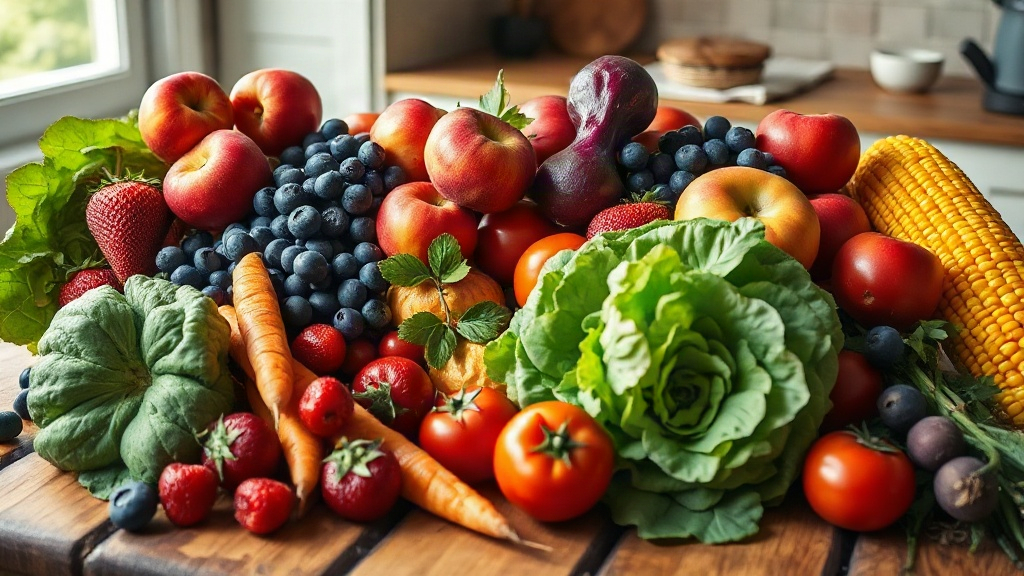
There is something truly special about biting into a crisp apple from an Ontario orchard or slicing into a perfectly ripe tomato grown in a British Columbia greenhouse. In Canada, the quest for Fresh Produce Canada means more than just filling your fridge; it is about connecting with the land, supporting local growers, and enjoying flavors that only come from peak-season harvests. Whether you live in a bustling city like Toronto or a quiet community in the Maritimes, knowing how to find and select the best fresh fruits and vegetables can transform your meals and your health.
This guide will walk you through everything you need to know about sourcing, storing, and savoring Canada's incredible bounty. From understanding seasonal availability to navigating farmers' markets and even growing your own, you will learn practical tips that make eating fresh produce a daily joy rather than a chore.
Why Freshness Matters More Than You Think
When produce travels long distances, it loses both nutrients and flavor. A tomato picked green and ripened in a truck simply cannot compare to one allowed to ripen on the vine under the sun. That is why seeking out locally grown fresh fruits and vegetables is worth the extra effort. Studies have shown that some vitamins, like vitamin C, degrade rapidly after harvest. The sooner you eat produce after it is picked, the more nutritional value you receive.
Beyond nutrition, freshness affects taste. Ask any chef and they will tell you that the best dishes start with the best ingredients. A simple salad made with just-picked lettuce, cucumbers, and herbs needs little more than a drizzle of olive oil and a squeeze of lemon to taste extraordinary. When you prioritize Fresh Produce Canada, you are not just eating healthier; you are eating more deliciously.
Understanding Canada's Growing Seasons
Canada's climate varies dramatically from coast to coast, which means the availability of fresh fruits and vegetables changes with the seasons. Knowing what grows when can help you plan meals and make the most of local offerings.
Spring: Tender Greens and Early Roots
As the snow melts, early crops like asparagus, rhubarb, and spinach emerge. In British Columbia's Fraser Valley, you will find tender salad greens and radishes as early as March. In Quebec and Ontario, fiddleheads and morel mushrooms become prized finds at local markets. Spring is also the time for greenhouse-grown cucumbers and tomatoes, which offer a taste of summer before the outdoor season begins.
Summer: The Peak of Abundance
Summer is when Canada truly shines. From late June through September, farmers' markets overflow with berries, stone fruits, corn, and an endless variety of vegetables. In the Okanagan Valley, cherries and peaches reach their sugary peak. In Ontario's Niagara region, tender tree fruits like apricots and plums appear. And across the Prairies, you will find incredible root vegetables and leafy greens that thrive in the long daylight hours.
This is the time to eat fresh fruits and vegetables raw, in salads, or lightly cooked to preserve their natural flavors. It is also the perfect season for preserving, whether by freezing, canning, or making jams and pickles.
Fall: Harvest Time and Hearty Flavors
As temperatures cool, the harvest shifts to apples, pears, squash, and root vegetables. In Nova Scotia's Annapolis Valley, apple orchards are a major attraction. In Quebec, cranberries flood the markets. This season offers some of the most versatile produce for cooking, from roasted squash soups to apple crisps. Many families take advantage of fall's bounty to stock up on storage crops like potatoes, onions, and carrots that will last through the winter.
Winter: Storage Crops and Greenhouse Gems
While outdoor growing mostly stops in winter, Canadians can still enjoy fresh produce Canada thanks to cold storage and greenhouse operations. Root vegetables like beets and turnips store well for months. Meanwhile, high-tech greenhouses in Ontario and British Columbia produce tomatoes, peppers, and cucumbers year-round. While winter produce may not have the same variety as summer, it can still be delicious and nutritious if you know what to look for.
Where to Find the Freshest Local Produce
Finding fresh fruits and vegetables in Canada is easier than ever, thanks to a growing network of farmers' markets, farm stands, and community-supported agriculture (CSA) programs. Here are the best places to start your search.
Farmers' Markets: The Heart of Local Food
Farmers' markets are more than just places to buy groceries; they are community gathering spots where you can meet the people who grow your food. In cities like Vancouver, Toronto, and Montreal, markets operate several days a week, offering everything from heirloom tomatoes to artisanal cheeses. When you shop at a farmers' market, you can ask questions about growing practices, get recipe ideas, and often sample before you buy. Prices may be slightly higher than supermarkets, but the quality and freshness are usually worth it.
Community Supported Agriculture (CSA)
CSA programs allow you to buy a share of a farm's harvest in advance, then receive a box of produce every week or two throughout the growing season. This model gives farmers financial stability and gives you a regular supply of ultra-fresh, seasonal produce. Many CSAs offer flexible options, including half shares or customizable boxes. It is a great way to discover new vegetables and support local agriculture directly.
Farm Stands and U-Pick Operations
In rural areas, you will often find farm stands selling produce right at the source. Some farms also offer U-pick experiences, where you can harvest your own strawberries, blueberries, or apples. This is a fun family activity that connects you with the land and ensures you get the freshest possible produce. Check local listings or agricultural tourism websites to find U-pick farms near you.
How to Select and Store Fresh Produce for Maximum Flavor
Once you have found great fresh fruits and vegetables, proper handling is key to keeping them at their best. Here are some practical tips.
Selecting the Best Produce
When choosing produce, use all your senses. Look for vibrant colors and firm textures, but remember that some fruits, like peaches and avocados, should yield slightly to gentle pressure. Smell can be a great indicator of ripeness, especially for melons and pineapples. Avoid produce with bruises, soft spots, or signs of mold. For leafy greens, check that the leaves are crisp and not wilted. And do not be afraid to ask the farmer or vendor for advice on what is best that day.
Storing Fruits and Vegetables Properly
Different produce items have different storage needs. Some fruits, like apples and bananas, release ethylene gas that can speed up ripening in nearby vegetables. Keep ethylene producers separate from ethylene-sensitive items like leafy greens and broccoli. Most root vegetables store well in a cool, dark place, while tomatoes and stone fruits are best kept at room temperature until ripe. Berries should be refrigerated and washed just before eating to prevent mold. When in doubt, ask the farmer or do a quick search for specific storage tips.
Simple Ways to Enjoy More Fresh Produce Every Day
Incorporating more fresh fruits and vegetables into your diet does not have to be complicated. Here are some easy ideas to get you started.
- Start with breakfast: Add berries to your oatmeal, blend spinach into a smoothie, or top your toast with sliced avocado and tomato.
- Snack smart: Keep a bowl of fresh fruit on the counter and pre-cut vegetables like carrots, cucumbers, and bell peppers in the fridge for quick grabbing.
- Make vegetables the star: Plan meals around what is in season. A roasted vegetable medley, a hearty salad, or a vegetable-packed stir-fry can be satisfying and delicious.
- Try one new item each week: Challenge yourself to buy a vegetable or fruit you have never tried before. Ask the vendor for cooking tips or search online for recipes.
- Preserve the season: Freeze berries, make tomato sauce, or pickle cucumbers to enjoy summer flavors all year long.
Supporting Canadian Growers Benefits Everyone
When you choose Fresh Produce Canada, you are doing more than feeding your family. You are supporting local farmers, preserving farmland, and reducing the environmental impact of long-distance food transportation. You are also helping to build stronger, more resilient communities where people know where their food comes from. And perhaps most importantly, you are treating yourself to the best-tasting, most nutritious food available.
So next time you are planning your meals, think about what is in season in your region. Visit a local market, join a CSA, or simply ask your grocer where their produce comes from. With a little effort, you can enjoy the incredible bounty of Canadian farms and gardens all year round.
Frequently Asked Questions About Fresh Produce in Canada
What is the best time of year to buy fresh produce in Canada?
The best time depends on where you live, but generally, summer and early fall offer the greatest variety and abundance. However, thanks to greenhouses and storage crops, you can find good quality fresh fruits and vegetables year-round if you know what to look for. Check seasonal guides for your specific region.
How can I tell if produce at a farmers' market is truly local?
Ask the vendor directly. Most farmers are proud to share information about their growing practices and location. Look for signs that indicate the farm's name and location. If a vendor cannot tell you where the produce was grown, it may not be local. Building relationships with farmers over time is the best way to ensure you are getting authentic local food.
Are organic fruits and vegetables always fresher than conventional ones?
Not necessarily. Freshness depends on how recently the produce was harvested and how it was handled, not whether it was grown organically. Both organic and conventional farms can produce very fresh items. The key is to buy from a source that turns over its inventory quickly and to look for signs of peak ripeness.
What are some easy vegetables to grow at home for beginners?
If you are new to gardening, start with easy crops like lettuce, radishes, and herbs. They grow quickly and do not require much space. Tomatoes and peppers are also popular but need more warmth and care. Even a few pots on a balcony can provide you with a steady supply of fresh fruits and vegetables during the summer.
How do I store leafy greens so they stay fresh longer?
The key is to keep them dry and cold. Wash and thoroughly dry the leaves, then wrap them in a clean kitchen towel or paper towel and place them in a breathable container or plastic bag in the crisper drawer. The towel absorbs excess moisture, which helps prevent wilting and rot. Most leafy greens will stay fresh for up to a week this way.