
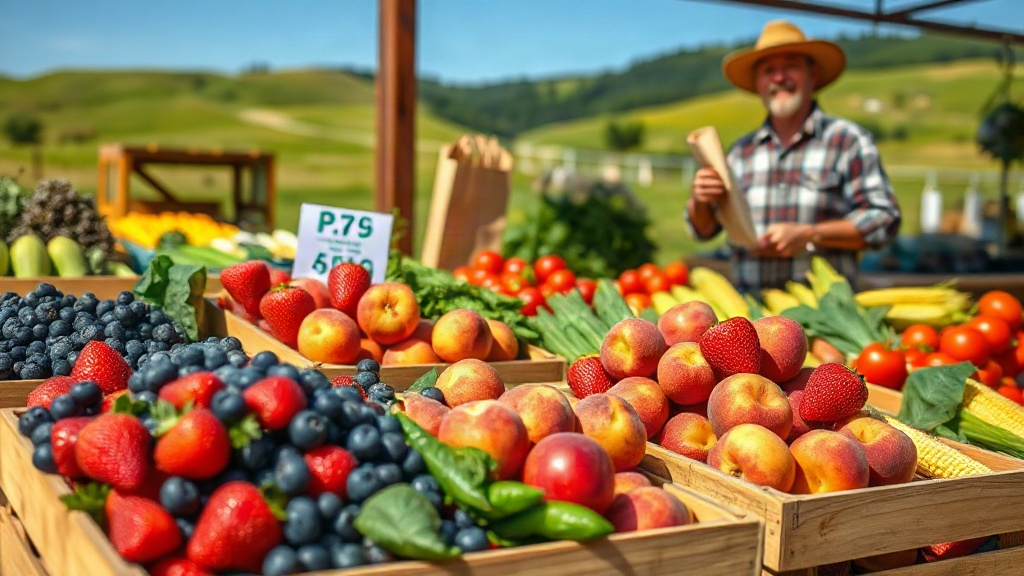
When you think of Canada, images of vast forests, pristine lakes, and snowy winters often come to mind. But beyond the wilderness, Canada boasts a thriving agricultural sector that yields some of the finest Fresh Produce Canada has to offer. From the fertile Fraser Valley in British Columbia to the apple orchards of Ontario's Niagara region, the country is a treasure trove of fresh fruits and vegetables waiting to be discovered. Whether you're a home cook, a health enthusiast, or simply someone who loves a crisp apple, understanding where your produce comes from can transform your eating experience.
In this guide, we'll walk you through the landscape of Canadian produce, how to source the best items, and why eating locally and seasonally matters. By the end, you'll be equipped with practical tips to fill your basket with vibrant, nutrient-packed foods that support both your health and the local economy.
Why Canadian Produce Stands Out
Canada's diverse climate zones allow for a surprising variety of crops. While the growing season may be shorter than in warmer countries, the cool nights and long summer days often result in produce with intense flavor and high nutritional value. For example, Quebec strawberries are renowned for their sweetness, while Prince Edward Island potatoes are prized for their earthy taste. The key is knowing what to look for and when.
Moreover, buying fresh fruits and vegetables grown locally reduces the carbon footprint associated with long-distance shipping. It also ensures that you're getting produce at its peak ripeness, not items picked weeks early to survive transport. This freshness translates directly to better taste and more vitamins on your plate.
Where to Find Fresh Produce in Canada
Sourcing high-quality produce doesn't have to be a challenge. Here are the most reliable places to find Fresh Produce Canada offers:
- Farmers' Markets: Almost every Canadian city and town hosts a farmers' market during the warmer months. These markets are a direct pipeline from local farms to your kitchen. You can chat with growers, ask about their farming practices, and often sample before you buy. Look for markets like the St. Lawrence Market in Toronto or the Granville Island Public Market in Vancouver for an exceptional selection.
- Community Supported Agriculture (CSA): CSA programs allow you to purchase a share of a farm's harvest upfront. In return, you receive a weekly box of seasonal produce throughout the growing season. This model not only guarantees you a steady supply of fresh items but also builds a relationship with the people who grow your food.
- Grocery Stores with Local Sections: Many major grocery chains now highlight locally sourced produce. Look for signs indicating the farm of origin or check for provincial branding like "Foodland Ontario" or "Alberta Approved". These labels help you make informed choices even in a conventional supermarket.
- U-Pick Farms: For a fun family outing, visit a U-pick farm. You can harvest your own strawberries, blueberries, apples, and more. This hands-on experience connects you with the land and ensures you get the freshest possible fruit.
Seasonal Guide to Canadian Produce
Eating seasonally is the best way to enjoy the full flavor and nutritional benefits of fresh fruits and vegetables. Here's a quick overview of what to look for throughout the year:
Spring (March to May)
Spring brings the first tender greens and early root vegetables. Look for asparagus, rhubarb, spinach, and radishes. In British Columbia, you might find early strawberries by late May. These items are perfect for light salads and refreshing dishes after a long winter.
Summer (June to August)
This is the peak season for Canadian produce. Berries of all kinds, stone fruits like peaches and cherries, tomatoes, corn, cucumbers, and peppers flood the markets. The abundance makes it easy to eat a rainbow of colors. Consider preserving some of this bounty through canning or freezing to enjoy later.
Autumn (September to November)
Autumn is harvest time for apples, pears, squash, pumpkins, and root vegetables like carrots and beets. Cruciferous vegetables such as broccoli and cauliflower also shine. These sturdy produce items store well and are perfect for hearty soups and roasts.
Winter (December to February)
While fresh local produce is scarcer, you can still find storage crops like potatoes, onions, cabbage, and winter squash. Many farms also offer greenhouse-grown greens and tomatoes. Additionally, root cellars and cold storage keep apples and carrots available well into winter.
Tips for Selecting and Storing Fresh Produce
Getting the most out of your fresh fruits and vegetables starts at the point of purchase. Here are some practical tips:
- Check for firmness and color: Produce should feel heavy for its size and have vibrant, uniform color. Avoid items with bruises, soft spots, or wilted leaves.
- Smell the fruit: Ripe fruits often emit a sweet fragrance. If it smells good, it likely tastes good.
- Ask about harvest date: At farmers' markets, don't hesitate to ask when the produce was picked. The shorter the time from field to table, the better.
- Store properly: Different produce requires different conditions. Tomatoes and bananas should stay at room temperature, while leafy greens and berries need refrigeration. Potatoes and onions prefer a cool, dark place.
- Use ethylene wisely: Some fruits like apples and avocados release ethylene gas, which speeds ripening. Keep them away from ethylene-sensitive items like lettuce and broccoli.
The Health Benefits of Eating Fresh Produce
Incorporating more fresh fruits and vegetables into your diet is one of the best decisions you can make for your health. They are packed with essential vitamins, minerals, fiber, and antioxidants that support everything from immune function to heart health. For instance, the lycopene in tomatoes is linked to reduced risk of certain cancers, while the potassium in bananas helps regulate blood pressure.
Moreover, fresh produce is low in calories and high in water content, making it ideal for weight management. The fiber keeps you feeling full longer and supports digestive health. By choosing locally grown options, you also avoid the nutrient loss that occurs during long storage and transport.
Supporting Local Farmers and Sustainability
When you buy Fresh Produce Canada from local sources, you're not just getting better food; you're also supporting the agricultural community and sustainable practices. Small-scale farmers often use methods that protect soil health, reduce pesticide use, and preserve biodiversity. Your dollars help keep farmland in production and rural economies vibrant.
Additionally, local food systems are more resilient. They reduce reliance on global supply chains, which can be disrupted by events like extreme weather or geopolitical issues. By building relationships with local growers, you contribute to a food system that can better withstand challenges.
How to Incorporate More Fresh Produce into Your Meals
If you're looking to increase your intake of fresh fruits and vegetables, start small. Add a serving of fruit to your breakfast, include a salad with lunch, and make sure half your dinner plate is vegetables. Experiment with new recipes that highlight seasonal produce, such as a strawberry spinach salad in summer or a roasted root vegetable medley in winter.
Snacking on fresh produce is also a great habit. Keep a bowl of apples or cherries on the counter, or cut up carrots and bell peppers for easy grab-and-go options. The more you incorporate these foods, the more natural it becomes.
Frequently Asked Questions
What is the best way to find local produce in Canada?
The best way is to visit farmers' markets, join a CSA, or look for local labels in grocery stores. Online directories like Farmers' Markets Canada can help you locate markets near you. You can also ask at your local health food store for recommendations.
How can I tell if produce is truly fresh?
Fresh produce should look vibrant and feel firm. Check for signs of wilting, browning, or mold. At farmers' markets, you can ask the vendor when it was picked. A good rule of thumb is to buy what's in season, as it's more likely to be recently harvested.
Is Canadian produce available year-round?
While the outdoor growing season is limited, many Canadian farms use greenhouses and cold storage to extend availability. You can find Canadian greenhouse tomatoes, cucumbers, and peppers even in winter. Root vegetables and apples are also available for months after harvest.
What are some unique Canadian fruits and vegetables to try?
Canada offers some unique items like Saskatoon berries, haskap berries, and fiddleheads. These native or regionally adapted foods are worth seeking out at farmers' markets. They offer distinct flavors and are often rich in antioxidants.
How do I store leafy greens to keep them fresh longer?
To keep leafy greens fresh, wash and dry them thoroughly, then store in a container lined with paper towels in the refrigerator. The paper towel absorbs excess moisture, which can cause spoilage. Alternatively, you can store them in a perforated plastic bag. Change the paper towel every couple of days.