
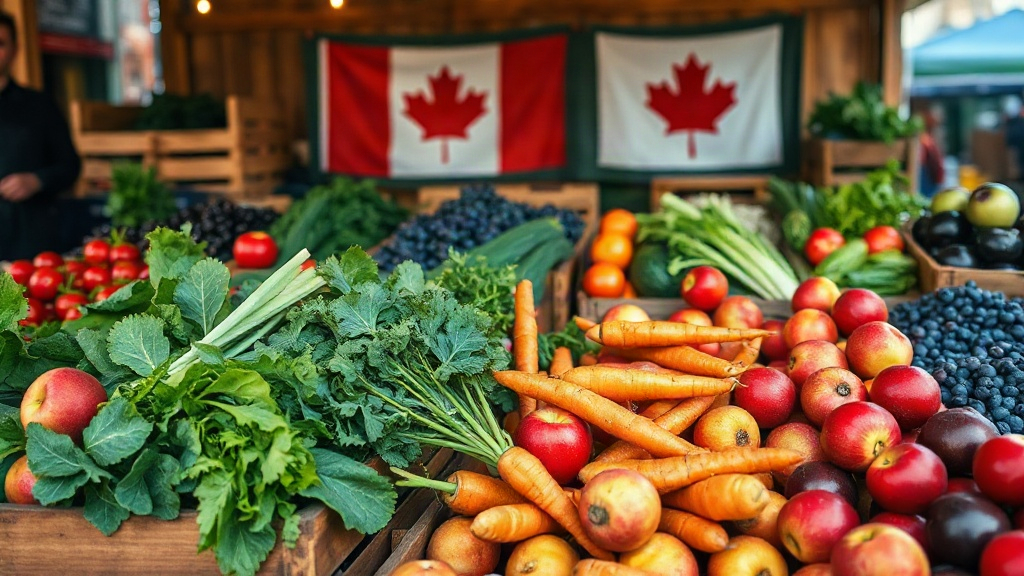
When you think of Canadian agriculture, images of vast wheat fields and maple syrup might come to mind. But there's a vibrant world of Fresh Produce Canada that often goes unnoticed. From crisp apples in British Columbia to sweet corn in Ontario, the country offers a remarkable variety of fresh fruits and vegetables that can elevate your meals and support local farmers. In this guide, I'll share practical advice on how to select the best produce, store it properly, and make the most of every season.
Why Choose Canadian Fresh Produce?
Buying local isn't just a trend; it's a choice that benefits your health, your community, and the environment. Canadian farmers grow some of the world's finest produce, and when you buy in season, you get peak flavor and nutrition. Plus, shorter travel distances mean less carbon footprint and fresher items on your table.
Seasonal Availability: What to Look For
Understanding what's in season is key to enjoying fresh fruits and vegetables at their best. Here's a quick breakdown:
- Spring: Asparagus, rhubarb, spinach, and early strawberries.
- Summer: Berries, cherries, peaches, tomatoes, cucumbers, and corn.
- Fall: Apples, pears, squash, pumpkins, and root vegetables.
- Winter: Storage crops like carrots, onions, potatoes, and cabbage.
For a more detailed look, check out provincial guides or visit local farmers' markets. Many farms also offer community-supported agriculture (CSA) boxes, which deliver a weekly selection of seasonal produce right to your door.
How to Select the Best Fresh Fruits and Vegetables
Picking the perfect produce is an art. Here are some tips I've learned over years of shopping at markets and grocery stores.
Look for Vibrant Colors and Firm Texture
Color is a great indicator of ripeness. For example, a deep red tomato is likely sweeter than a pale one. Similarly, leafy greens should be crisp and bright, not wilted or yellowing. Gently squeeze fruits like avocados or peaches; they should yield slightly to pressure but not be mushy.
Check for Blemishes and Bruises
Minor imperfections are normal, but avoid items with large bruises, mold, or soft spots, as they spoil faster and can affect surrounding produce. For berries, check the bottom of the container for juice stains, which may indicate crushed fruit.
Smell the Produce
Many ripe fruits emit a sweet, fragrant aroma. A melon that smells sweet at the stem end is usually ready to eat. If there's no scent, it may have been picked too early and won't ripen properly.
Storage Tips to Keep Produce Fresh Longer
Proper storage can extend the life of your fresh fruits and vegetables significantly. Here's what works for me.
Refrigerate vs. Countertop
Not all produce belongs in the fridge. Tomatoes lose flavor when chilled, so keep them on the counter. Bananas, avocados, and stone fruits also do better at room temperature until ripe. On the other hand, leafy greens, berries, and most vegetables should go in the crisper drawer. Use perforated bags or containers to allow airflow.
Ethylene Gas: Friend or Foe?
Some fruits, like apples and bananas, release ethylene gas, which speeds ripening. Keep them away from ethylene-sensitive items like leafy greens, broccoli, and carrots to prevent premature spoilage. You can use this to your advantage: place an apple in a paper bag with unripe avocados to ripen them faster.
Wash Only Before Eating
Washing produce before storage adds moisture, which promotes mold. Instead, wash just before you're ready to use it. For berries, a quick rinse with a vinegar solution (1 part vinegar to 3 parts water) can help kill mold spores and extend shelf life, but be sure to dry them thoroughly.
Delicious Ways to Enjoy Fresh Produce Canada
Now that you know how to select and store, let's talk about eating! Here are some of my favorite ways to incorporate more fresh fruits and vegetables into your daily meals.
Simple Salads with a Twist
Go beyond basic lettuce. Try a watermelon and feta salad with mint, or a roasted beet and goat cheese salad with walnuts. The key is to balance flavors: sweet, salty, tangy, and crunchy.
Smoothies and Juices
Blend spinach or kale with banana, berries, and a splash of almond milk for a nutrient-packed breakfast. For a refreshing drink, juice carrots, apples, and ginger. It's a great way to use up slightly wilted greens or overripe fruit.
Roasting Vegetables for Depth of Flavor
Roasting brings out natural sugars and caramelization. Toss chopped root vegetables like carrots, parsnips, and sweet potatoes with olive oil, salt, and herbs, then roast at 400°F until tender and golden. Serve as a side or add to grain bowls.
Preserving the Harvest
When produce is abundant and cheap, consider preserving. Freezing berries, making jam, or pickling cucumbers are simple ways to enjoy summer flavors all year long. Canning tomatoes for sauces is another rewarding project.
Supporting Local Farmers and Sustainability
Choosing Fresh Produce Canada means supporting local economies and sustainable farming practices. Many Canadian farms use integrated pest management and reduce chemical inputs. By buying directly from farmers or through CSAs, you build a connection to your food source and often get better prices.
Farmers' Markets: A Treasure Trove
Visit your local farmers' market to discover unique varieties you won't find in supermarkets. Heirloom tomatoes, purple carrots, and golden beets are just a few examples. Farmers are usually happy to share growing tips and recipe ideas.
Community Gardens and U-Pick Farms
Get hands-on by joining a community garden or visiting a U-pick farm. It's a fun activity for families and a great way to learn about where your food comes from. Plus, nothing beats the taste of a strawberry you picked yourself.
Common Questions About Fresh Produce in Canada
What is the best way to store leafy greens to prevent wilting?
Wrap leafy greens in a clean kitchen towel or paper towel to absorb excess moisture, then place them in a breathable bag or container in the crisper drawer. The towel helps regulate humidity, keeping greens crisp for up to a week. Avoid storing them near ethylene-producing fruits like apples.
How can I tell if a watermelon is ripe without cutting it open?
Look for a creamy yellow spot on the underside where the melon rested on the ground. If the spot is white or green, it may be underripe. Also, tap the melon; a ripe one sounds hollow. The tendril near the stem should be brown and dry.
Are organic fruits and vegetables worth the extra cost?
It depends on your priorities. Organic produce is grown without synthetic pesticides and fertilizers, which may appeal to those concerned about chemical exposure. However, conventional Canadian produce is strictly regulated and safe. For items with thick skins like bananas or avocados, conventional is fine. For thin-skinned items like berries and leafy greens, you might choose organic if budget allows.
What are some easy ways to get kids to eat more vegetables?
Involve them in the process: take them to a farmers' market or let them pick vegetables at a U-pick farm. Make vegetables fun by cutting them into shapes or serving with dips like hummus or yogurt-based ranch. Sneak grated zucchini or carrots into muffins, pasta sauce, or meatballs. Keep offering variety without pressure; it can take multiple exposures for a child to accept a new food.
How long do fresh fruits and vegetables typically last in the fridge?
It varies widely. Leafy greens and berries last 3-7 days, while hardier vegetables like carrots, cabbage, and beets can last several weeks if stored properly. Apples can last up to a month in the crisper. Always check for signs of spoilage and use your senses: if it smells off or looks moldy, compost it.
Final Thoughts on Embracing Fresh Produce Canada
Exploring the world of fresh fruits and vegetables from Canada is a delicious journey that connects you to the land and the people who cultivate it. By choosing seasonal, local produce, you not only enjoy superior taste but also contribute to a more sustainable food system. I hope these tips help you make the most of every market visit and meal. Now, go out there and enjoy the bounty!