
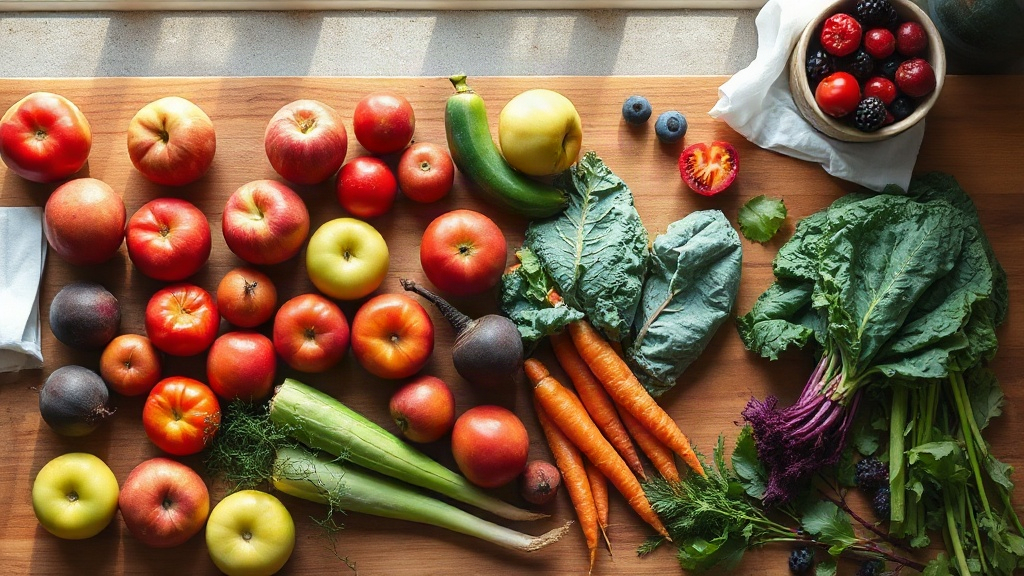
Walking through a Canadian market in the height of summer is a sensory experience. The vivid red of ripe strawberries, the earthy scent of fresh carrots, and the satisfying crunch of a crisp apple all tell a story of quality and care. Fresh Produce Canada is more than a phrase; it's a commitment to bringing nature's best to your table. Whether you're a seasoned home cook or someone just starting to explore the world of fresh fruits and vegetables, knowing how to choose and care for your produce makes all the difference. This guide will walk you through practical tips, seasonal insights, and storage secrets that help you get the most out of every bite.
Why Quality Fresh Produce Matters
You might wonder why some carrots taste sweeter or why a peach from a local farm seems juicier. The answer often lies in how the produce was grown, harvested, and handled. Fresh Produce Canada standards emphasize minimal time between field and shelf, preserving both flavor and nutrients. When you choose fresh fruits and vegetables at their peak, you're not just eating; you're nourishing your body with vitamins, minerals, and antioxidants that processed foods simply can't match.
Consider the humble tomato. A vine-ripened tomato from a nearby greenhouse bursts with a balance of sweetness and acidity that supermarket varieties shipped from afar often lack. That difference isn't just about taste; it's about the care taken to let the fruit mature naturally. By supporting local growers and understanding seasonality, you become part of a food system that values quality over quantity.
How to Select the Best Fruits and Vegetables
Selecting produce can feel intimidating, but a few simple checks can help you pick winners every time.
Look for Vibrant Color and Firmness
Color is often the first indicator of ripeness. For example, a deep orange cantaloupe with a sweet aroma is likely ready to eat, while a pale one may need more time. When it comes to leafy greens, avoid yellowing or wilting leaves. Gently squeeze avocados; they should yield slightly under pressure but not feel mushy. For root vegetables like beets and turnips, choose ones that feel heavy for their size, indicating good moisture content.
Pay Attention to Seasonality
Eating with the seasons is one of the best ways to enjoy fresh fruits and vegetables. In Canada, spring brings tender asparagus and rhubarb, summer offers berries and stone fruits, autumn delivers apples and squash, and winter showcases hardy root vegetables and greenhouse greens. When you buy in season, you're more likely to get produce at its nutritional peak and often at a better price.
Smell and Touch Matter
Your senses are powerful tools. A ripe pineapple should smell sweet at the base, and a fresh cucumber should feel firm with no soft spots. For stone fruits like peaches and plums, a gentle squeeze near the stem end can tell you if they're ready. Don't be afraid to ask your local grocer for a sample if possible; many markets encourage tasting before buying.
Proper Storage Keeps Produce Fresh Longer
Even the best Fresh Produce Canada can spoil quickly if stored incorrectly. Here's how to extend the life of your haul.
Refrigerate vs. Countertop
Some fruits and vegetables prefer cool, humid environments, while others do better at room temperature. Tomatoes, for instance, lose flavor and become mealy in the fridge; keep them on the counter away from direct sunlight. Onions and potatoes also prefer cool, dark, dry places but should be stored separately because onions release gases that can cause potatoes to sprout. Leafy greens, broccoli, and berries, on the other hand, thrive in the crisper drawer. Wrap greens in a slightly damp paper towel to maintain humidity without causing rot.
Ethylene Gas: The Ripening Agent
Many fruits produce ethylene gas, which speeds up ripening. Apples, bananas, and avocados are high ethylene producers. Keep them away from ethylene-sensitive items like leafy greens, cucumbers, and peppers to prevent premature spoilage. If you need to ripen an avocado quickly, place it in a paper bag with a banana; the trapped ethylene will do the job overnight.
Wash Only Before Eating
Moisture encourages mold and bacteria. It's best to wash produce just before you plan to eat or cook it. For berries, a quick rinse with a vinegar solution (one part vinegar to three parts water) can help remove surface spores, but be sure to dry them thoroughly before refrigerating.
Making the Most of Seasonal Abundance
When a particular fruit or vegetable is in season, it's often affordable and abundant. This is the perfect time to preserve the harvest. Freezing is one of the simplest methods: blanch vegetables like green beans or broccoli briefly, then plunge into ice water before freezing to retain color and texture. Berries can be frozen individually on a tray before being transferred to bags, so they don't clump together. Canning and pickling are also rewarding ways to enjoy summer flavors all year long.
Another approach is to incorporate more variety into your meals. A summer salad with heirloom tomatoes, fresh basil, and a drizzle of good olive oil needs little else. Roasting a medley of autumn root vegetables with rosemary and garlic brings out their natural sweetness. By letting the produce shine, you'll discover new favorites and reduce food waste.
Supporting Local Growers and Sustainability
Choosing Fresh Produce Canada often means supporting local farmers and reducing the carbon footprint of your food. Many Canadian communities have farmers' markets where you can meet the people who grow your food, ask questions about their practices, and learn what's coming into season. Community-supported agriculture (CSA) programs are another excellent way to get a weekly box of whatever is freshest, often at a fair price. These choices not only benefit your health but also strengthen local economies and promote sustainable farming methods.
When you buy local, you're also more likely to get varieties bred for flavor rather than long-distance shipping. Ask your farmer about their favorite tomato or apple variety; you might discover a new obsession.
Common Myths About Fresh Produce
There's a lot of misinformation out there. Let's clear up a few things.
- Myth: Organic always means more nutritious. While organic farming avoids synthetic pesticides, nutritional differences are often minimal. The most important factor is freshness and ripeness.
- Myth: Frozen vegetables are less healthy. In many cases, frozen produce is picked at peak ripeness and flash-frozen, locking in nutrients. They can be just as good as fresh, especially out of season.
- Myth: You should peel all fruits and vegetables. Many nutrients and fiber are in the skin. Just wash thoroughly and enjoy the added texture.
Frequently Asked Questions
What is the best way to store fresh herbs?
Treat soft herbs like cilantro and parsley like flowers: trim the stems and place them in a glass of water, covering loosely with a plastic bag in the fridge. Hardier herbs like rosemary and thyme can be wrapped in a damp paper towel and stored in a resealable bag.
How can I tell if a watermelon is ripe?
Look for a creamy yellow spot on the underside where it rested on the ground. A ripe watermelon also sounds hollow when tapped and feels heavy for its size.
Is it better to buy organic produce from Canada?
It depends on your priorities. If avoiding pesticides is important to you, organic is a good choice. However, conventionally grown Canadian produce is subject to strict safety regulations. Focus on eating a variety of fruits and vegetables, regardless of organic status.
What vegetables are in season in Canada during winter?
Winter in Canada is a great time for root vegetables like carrots, parsnips, and beets, as well as hardy greens like kale and cabbage. Many greenhouses also produce tomatoes, cucumbers, and peppers year-round.
How do I keep berries from getting moldy so quickly?
Do not wash berries until you're ready to eat them. Store them in a single layer in a container lined with paper towels, and pick out any bruised or moldy berries immediately to prevent spread.