
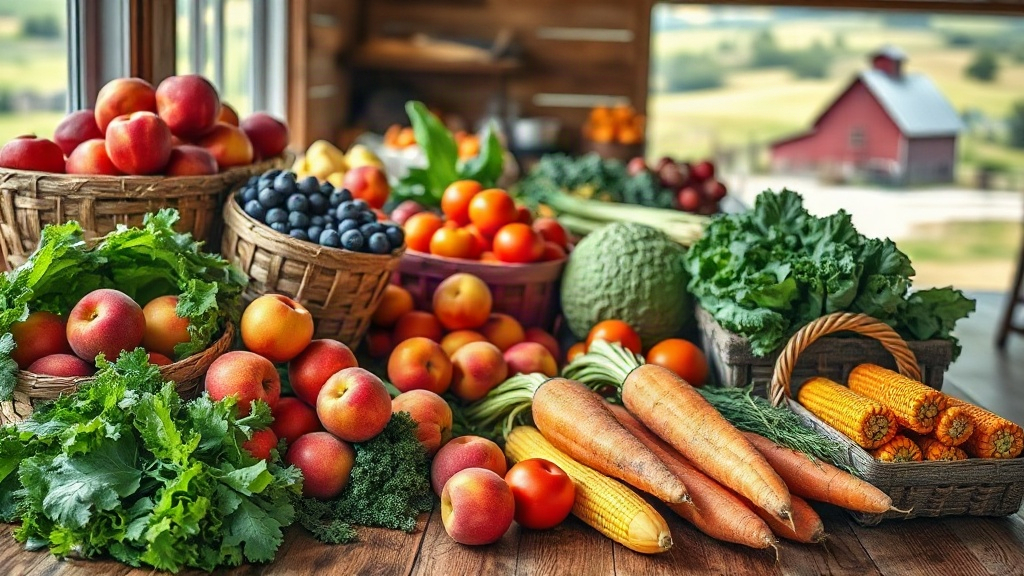
Canadians are increasingly turning their attention to what lands on their plates, and for good reason. The quest for Fresh Produce Canada offers is not just about taste; it is about health, community, and sustainability. Whether you are in bustling Toronto or quiet rural Nova Scotia, the availability of fresh fruits and vegetables has never been more exciting. This guide will walk you through everything from seasonal picks to storage hacks, ensuring you make the most of Canada's bountiful harvests.
Why Local and Seasonal Matter More Than Ever
Walk into any supermarket in January, and you will see strawberries from California, asparagus from Peru, and apples from New Zealand. While global trade has its perks, there is something special about eating a peach that was picked a day ago in Niagara. Local produce is fresher, often more nutritious, and supports Canadian farmers. When you buy fresh fruits and vegetables in season, you are also reducing the carbon footprint associated with long-distance shipping. Plus, seasonal eating connects you to the rhythm of the land, something our ancestors knew well.
The Flavour Advantage of Local Produce
Have you ever bitten into a tomato that tasted like cardboard? That is often the result of produce being picked unripe and gassed to ripen during transport. Local Fresh Produce Canada farmers can afford to let their crops ripen fully on the vine or tree, leading to superior flavour and texture. A locally grown June strawberry is a revelation compared to its imported winter counterpart. The same goes for sweet corn, peaches, and leafy greens. The difference is not subtle; it is transformative.
Where to Find the Best Fresh Fruits and Vegetables in Canada
Canada is vast, and so are the options for sourcing quality produce. Here are some popular avenues:
- Farmers' Markets: Nearly every city and town has one. These markets are a direct link to growers, offering the freshest picks and often organic options.
- Community Supported Agriculture (CSA): Subscribe to a local farm and receive a weekly box of seasonal fresh fruits and vegetables. It is a great way to try new varieties.
- U-Pick Farms: For a fun family outing, visit a U-pick farm for berries, apples, or pumpkins. You get the freshest produce and a memorable experience.
- Local Grocers and Co-ops: Many independent grocers prioritize local sourcing. Look for signs indicating the farm of origin.
- Online Marketplaces: Some platforms now connect consumers directly with regional farmers, delivering Fresh Produce Canada right to your door.
Seasonal Guide: What to Eat When
To truly enjoy fresh fruits and vegetables, you need to know what is in season. Here is a quick overview by season:
Spring (March to May)
Spring brings tender greens, asparagus, rhubarb, and early radishes. In British Columbia, you might find overwintered leeks and kale. Maple syrup is also a spring staple, though not a fruit or vegetable, it pairs well with many spring dishes.
Summer (June to August)
This is the peak season for fresh fruits and vegetables in Canada. Strawberries, raspberries, blueberries, cherries, peaches, nectarines, tomatoes, cucumbers, zucchini, corn, and beans are all abundant. Eat them raw, grill them, or preserve them for winter.
Autumn (September to November)
Autumn is harvest time for apples, pears, squash, pumpkins, potatoes, carrots, beets, and Brussels sprouts. These hardy vegetables store well, making them perfect for root cellars and winter meals.
Winter (December to February)
While fresh local produce is limited, many farms offer stored crops like onions, garlic, cabbage, and winter squash. Greenhouses in Canada also produce tomatoes, cucumbers, and peppers year-round. Frozen and canned Canadian produce are excellent alternatives.
Tips for Selecting and Storing Fresh Produce
Choosing the best fresh fruits and vegetables is an art, but these tips will help:
- Look for vibrant colour: Dull colours often mean old or improperly stored produce.
- Feel for firmness: Except for items like avocados and peaches, most produce should be firm with no soft spots.
- Smell: Ripe fruits often have a sweet, fragrant aroma.
- Check for blemishes: Small imperfections are normal and do not affect quality, but avoid produce with mould or large bruises.
Proper storage extends freshness. Keep ethylene-producing fruits like apples and bananas away from ethylene-sensitive vegetables like leafy greens and broccoli. Most root vegetables prefer a cool, dark place, while tomatoes should never be refrigerated. Leafy greens stay crisp when stored in a container with a paper towel to absorb moisture.
The Health Benefits of Eating More Fresh Produce
It is no secret that a diet rich in fresh fruits and vegetables is good for you. They are packed with essential vitamins, minerals, fibre, and antioxidants. Eating a variety of colours ensures you get a broad spectrum of nutrients. For example, orange produce like carrots and sweet potatoes are high in beta-carotene, while dark leafy greens offer iron and calcium. Fresh produce can help reduce the risk of chronic diseases, support a healthy weight, and boost your immune system. Plus, the natural sugars in fruits can satisfy sweet cravings without the empty calories of processed snacks.
Supporting Canadian Farmers and Sustainability
When you prioritize Fresh Produce Canada, you are voting with your wallet for a more sustainable food system. Canadian farmers adhere to strict environmental and labour standards. Many are adopting regenerative practices that improve soil health and sequester carbon. By buying local, you help keep farmland in production and rural communities vibrant. You also reduce the need for long-haul transportation, which lowers greenhouse gas emissions. It is a simple choice with profound impacts.
Overcoming Common Barriers to Eating Fresh
Some people cite cost or convenience as reasons for not buying more fresh fruits and vegetables. However, there are ways to make it work:
- Buy in season: In-season produce is often cheaper due to abundance.
- Shop sales and bulk: Stock up on sale items and freeze or preserve them.
- Grow your own: Even a small balcony can host a tomato plant or herb garden.
- Choose imperfect produce: Many stores now offer "ugly" produce at a discount.
- Plan meals: Reduce waste by planning meals around what is on sale and in season.
Delicious Ways to Enjoy Fresh Produce
Sometimes we get stuck in a rut with the same old salads. Here are some creative ideas to incorporate more fresh fruits and vegetables into your diet:
- Smoothies: Blend spinach, kale, or avocado with fruits for a nutrient-packed breakfast.
- Grilled vegetables: Zucchini, peppers, and eggplant take on a smoky flavour when grilled.
- Fruit salsas: Combine diced mango, peach, or pineapple with onion, cilantro, and lime for a vibrant topping.
- Roasted roots: Toss carrots, parsnips, and beets with olive oil and herbs, then roast until caramelized.
- Stuffed vegetables: Bell peppers, tomatoes, and zucchini boats can be filled with grains, beans, and cheese.
Frequently Asked Questions About Fresh Produce Canada
What are the most common fresh fruits and vegetables grown in Canada?
Canada grows a wide variety of produce, with apples, blueberries, grapes, cherries, peaches, and pears being the most common fruits. For vegetables, potatoes, carrots, onions, tomatoes, cucumbers, peppers, and leafy greens are widely cultivated. The specific crops vary by region due to climate differences.
Where can I buy locally grown fresh produce in Canada during winter?
During winter, local fresh produce is limited, but you can find greenhouse-grown vegetables like tomatoes, cucumbers, and peppers from Canadian growers. Root vegetables and apples are often available from cold storage. Many farmers' markets operate year-round, and some CSAs offer winter shares with stored and preserved goods.
How can I tell if produce at the grocery store is actually from Canada?
Look for labels or stickers indicating the country of origin. In Canada, produce is often labelled with "Product of Canada" or "Grown in Canada." Some stores have dedicated sections for local produce. You can also ask the produce manager or check the store's sourcing policies online.
Is organic produce always better than conventionally grown produce?
Organic produce is grown without synthetic pesticides and fertilizers, which some people prefer for health and environmental reasons. However, conventionally grown Canadian produce is still subject to strict safety regulations. The most important factor is eating a variety of fresh fruits and vegetables, whether organic or not. Local and seasonal choices often have a lower environmental impact than imported organic produce.
What are some tips for storing fresh berries to make them last longer?
Berries are delicate and prone to mould. To extend their life, do not wash them until ready to eat. Store them in the refrigerator in a single layer on a paper towel inside a breathable container. You can also freeze berries on a baking sheet, then transfer to a freezer bag for long-term storage. Adding a vinegar rinse (1 part vinegar to 3 parts water) before drying and storing can help kill mould spores.
Embracing Fresh Produce Canada is a journey that rewards you with better health, richer flavours, and a stronger connection to your community. Start small by visiting a local farmers' market this weekend, or try a new vegetable from your local grower. Your taste buds and the planet will thank you.