
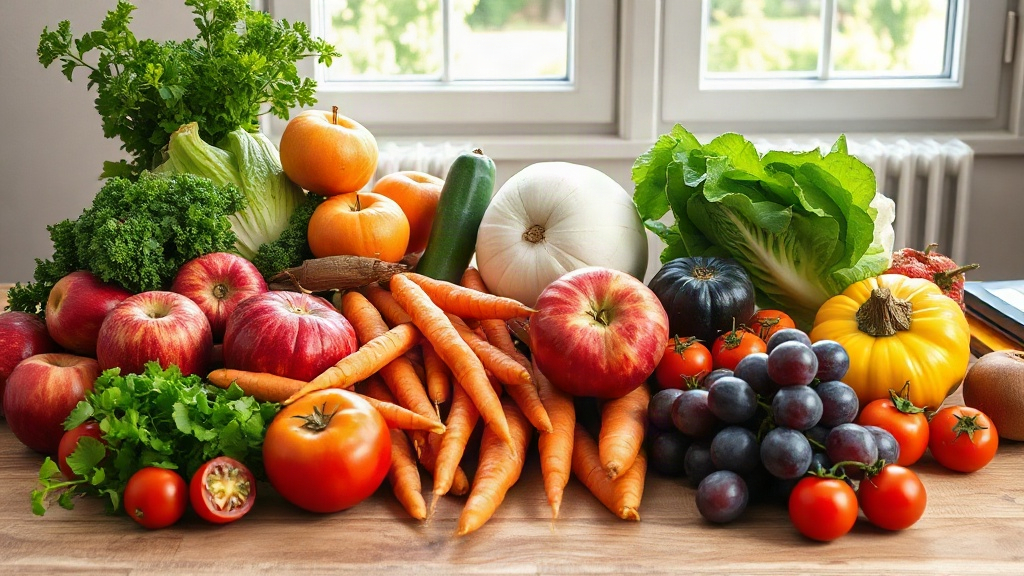
Imagine biting into a crisp apple, its juice bursting with the essence of a Canadian orchard, or slicing into a sun-ripened tomato that still carries the warmth of the summer soil. This isn't just a fantasy; it's the everyday reality for those who know where to look for Fresh Produce Canada. The quest for the finest fresh fruits and vegetables is a journey that connects us to the land, the seasons, and the hardworking farmers who bring nature's bounty to our tables. Whether you're a seasoned locavore or new to exploring farmers' markets, this guide will help you navigate the vibrant world of Canadian produce, ensuring you get the best quality, flavor, and nutrition with every bite.
Why Choose Fresh Produce Canada?
Canada's diverse climate and rich agricultural heritage yield an astonishing variety of fresh fruits and vegetables. From the apple orchards of British Columbia's Okanagan Valley to the potato fields of Prince Edward Island, each region contributes unique flavors and textures. Choosing local Fresh Produce Canada not only supports the economy but also reduces the carbon footprint associated with long-distance food transport. Moreover, produce picked at peak ripeness and consumed shortly after harvest retains more nutrients and tastes far superior to items that have traveled thousands of miles.
The Seasonal Advantage
One of the greatest joys of eating fresh fruits and vegetables in Canada is embracing seasonality. In spring, asparagus and fiddleheads emerge; summer brings a cornucopia of berries, stone fruits, and tender greens; autumn offers squash, apples, and root vegetables; and winter showcases hardy crops like cabbage and stored apples. By aligning your diet with the seasons, you'll enjoy produce at its absolute best, both in flavor and price.
Supporting Local Farmers
When you buy Fresh Produce Canada from local sources, you're investing in your community. Farmers' markets, farm stands, and community-supported agriculture (CSA) programs put money directly into the hands of growers, helping to preserve farmland and maintain rural livelihoods. Plus, you often get to meet the people who grew your food, ask questions about their practices, and even discover new varieties you won't find in supermarkets.
Where to Find the Best Fresh Fruits and Vegetables in Canada
Finding top-quality fresh fruits and vegetables is easier than you might think. Here are some of the best places to start your search:
- Farmers' Markets: Nearly every Canadian city and town hosts a farmers' market, especially from May to October. These markets are treasure troves of just-picked produce, artisanal goods, and friendly conversation. Check your local market's schedule and arrive early for the best selection.
- Farm Stands and U-Pick Farms: Many farms operate roadside stands or open their fields for you to pick your own produce. This is a fun activity for families and ensures you get the freshest possible items. It's also a great way to learn about how food grows.
- Community Supported Agriculture (CSA): By purchasing a share in a farm's harvest, you receive a weekly box of seasonal produce throughout the growing season. This model provides farmers with upfront capital and gives you a diverse, ever-changing selection of fresh fruits and vegetables.
- Grocery Stores and Supermarkets: Many mainstream grocery stores now highlight local produce, especially during peak seasons. Look for signage indicating the farm of origin, and don't hesitate to ask the produce manager for recommendations.
Tips for Selecting and Storing Fresh Produce
Once you've found a great source, knowing how to select and store your fresh fruits and vegetables will help you maximize their lifespan and flavor.
How to Choose the Best Produce
- Use Your Senses: Look for vibrant colors, firm textures, and a fresh, appealing aroma. Avoid items with bruises, soft spots, or signs of mold.
- Heft It: A heavier fruit or vegetable often indicates higher water content and freshness. For example, a good head of lettuce should feel dense for its size.
- Check the Stem and Leaves: For items like tomatoes and peppers, a green, fresh-looking stem is a sign of recent harvest. For leafy greens, crisp, unwilted leaves are essential.
- Ask the Farmer: At markets, don't be shy about asking when the produce was picked and how to store it. Farmers are a wealth of knowledge.
Proper Storage Techniques
Different types of produce require different storage conditions. Here are some general guidelines:
- Refrigerate: Most berries, leafy greens, broccoli, carrots, and herbs should be stored in the refrigerator. Use perforated bags or containers to maintain humidity without causing rot.
- Counter Storage: Tomatoes, bananas, avocados, stone fruits, and potatoes (in a cool, dark place) are best kept at room temperature until ripe. Once ripe, some can be moved to the fridge to extend their life.
- Separate Ethylene Producers: Fruits like apples, bananas, and avocados release ethylene gas, which can speed ripening and spoilage in other produce. Keep them separate from ethylene-sensitive items like leafy greens and berries.
- Wash Before Use: To prevent moisture-related spoilage, wash produce just before you're ready to eat or cook it, not when you first bring it home.
Delicious Ways to Enjoy Fresh Produce Canada
With a bounty of fresh fruits and vegetables at your fingertips, the culinary possibilities are endless. Here are some ideas to inspire your meals:
Simple and Satisfying Recipes
- Summer Berry Salad: Toss mixed greens with fresh strawberries, blueberries, and a light vinaigrette. Top with crumbled goat cheese and toasted nuts.
- Roasted Root Vegetables: Cube carrots, parsnips, beets, and potatoes, toss with olive oil, salt, and herbs, and roast until caramelized and tender.
- Garden Fresh Salsa: Dice ripe tomatoes, onions, jalapeños, and cilantro. Add lime juice and salt for a zesty dip or topping.
- Apple Crisp: Slice fresh apples, toss with cinnamon and a touch of sugar, and top with an oat crumble. Bake until bubbly and golden.
Preserving the Harvest
To enjoy Fresh Produce Canada year-round, consider preserving techniques like canning, freezing, or dehydrating. Freezing berries and blanched vegetables is simple and retains nutrients. Canning tomatoes and pickles lets you savor summer flavors in the depths of winter. Dehydrating apples or making fruit leathers are great for healthy snacks.
Common Questions About Fresh Produce Canada
What fruits and vegetables are in season in Canada right now?
Seasonality varies by region, but generally, spring brings asparagus, rhubarb, and fiddleheads; summer offers berries, stone fruits, tomatoes, and corn; autumn features apples, pears, squash, and root vegetables; and winter includes stored apples, cabbage, and greenhouse-grown produce. Check local harvest calendars for specifics.
How can I find farmers' markets near me in Canada?
You can search online for "farmers' markets near me" or visit websites like Farmers' Markets Canada, which provide directories by province. Many municipalities also list market schedules on their official websites.
Is organic produce worth the extra cost?
Organic produce is grown without synthetic pesticides and fertilizers, which some consumers prefer for health and environmental reasons. However, many local farms use sustainable practices even if not certified organic. Talk to farmers about their methods to make an informed choice.
How do I store fresh herbs to make them last longer?
Treat soft herbs like cilantro and parsley like bouquets: trim the stems, place in a jar of water, and cover loosely with a plastic bag in the fridge. Hardy herbs like rosemary and thyme can be wrapped in a damp paper towel and stored in a resealable bag.
What are the benefits of eating locally grown produce?
Eating locally grown produce supports the local economy, reduces environmental impact from transportation, and often means fresher, more flavorful food. It also connects you to the seasons and your community.
Conclusion: Embrace the Bounty of Fresh Produce Canada
From the first tender shoots of spring to the hearty roots of winter, Fresh Produce Canada offers an ever-changing palette of flavors and nutrients. By seeking out local fresh fruits and vegetables, you not only elevate your meals but also contribute to a more sustainable and resilient food system. So next time you plan your grocery list, consider visiting a farmers' market, joining a CSA, or simply asking your grocer about local options. Your taste buds, your health, and your community will thank you.